Holiday Scrapbook Pages: Layout Ideas for Winter Celebrations
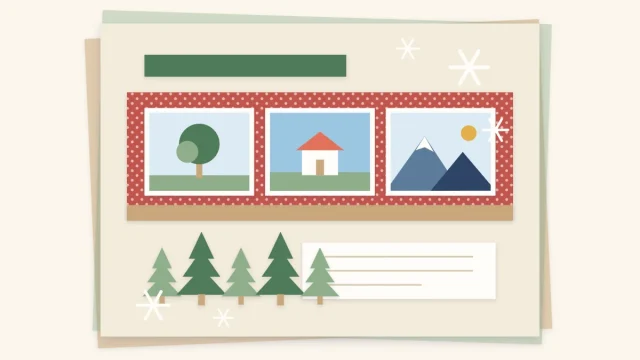
Winter celebrations leave a big stack of busy photos. A firm grid or row, a muted palette and a few hand-cut trees, stars and snowflakes turn them into calm, ordered pages.
Scrapbooking ideas for every page
30 tutorials published
Winter celebrations leave a big stack of busy photos. A firm grid or row, a muted palette and a few hand-cut trees, stars and snowflakes turn them into calm, ordered pages.
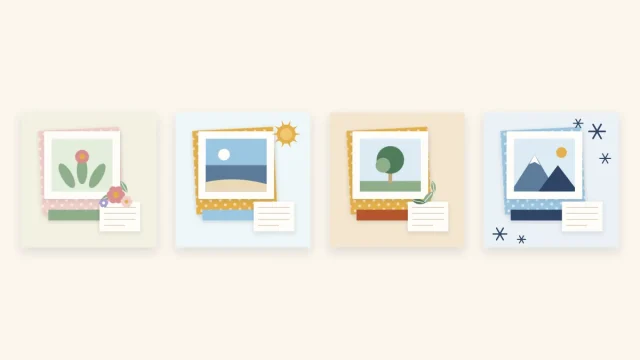
A small palette and one hand-cut shape are enough to set the season on a page. Layout ideas for spring, summer, fall and winter, plus ways to keep a full year consistent.
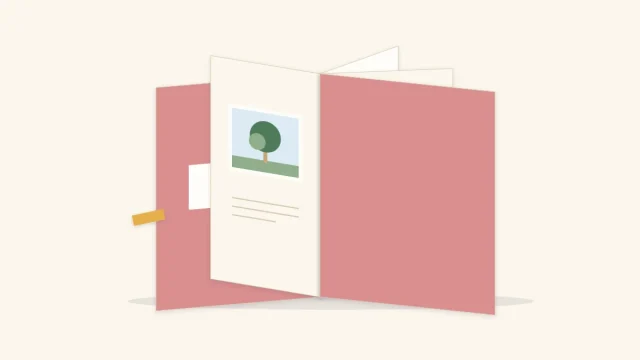
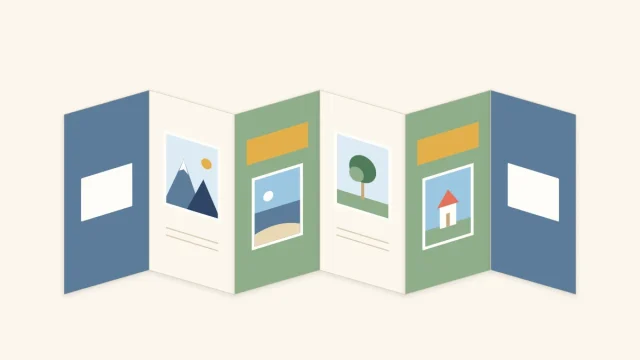
Score and fold long strips of cardstock into a zigzag, join them with a hidden tab, then add stiff covers and a ribbon for a fold-out album that displays every panel at once.
Fold one sheet into eight sections, make a single cut through the center and push it into a booklet with two covers and six inside pages. No binding needed.
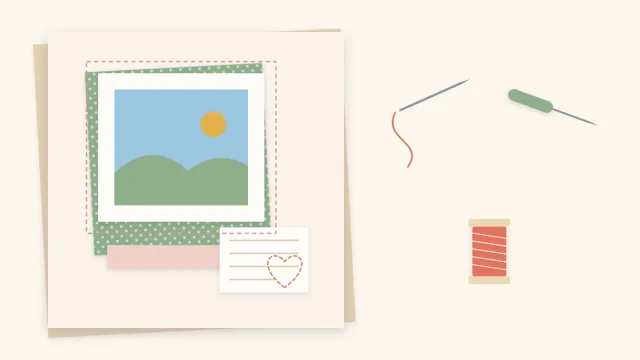
Hand stitching gives a page real texture with just a needle, thread and a piercing tool. Pierce the holes first, keep the stitches simple and finish the back without knots.
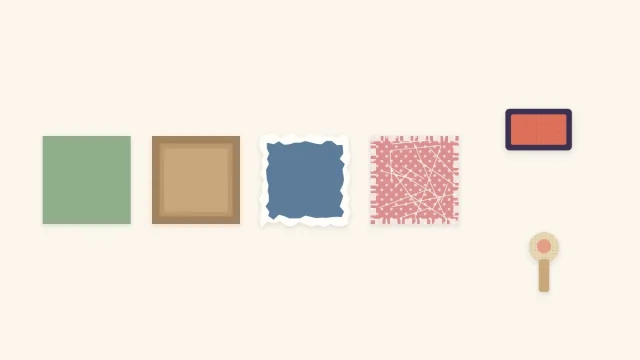
Inking, tearing, sanding and scraping take the hard cut edge off cardstock. Here is how each technique works, which paper it suits and how to keep the effect subtle.
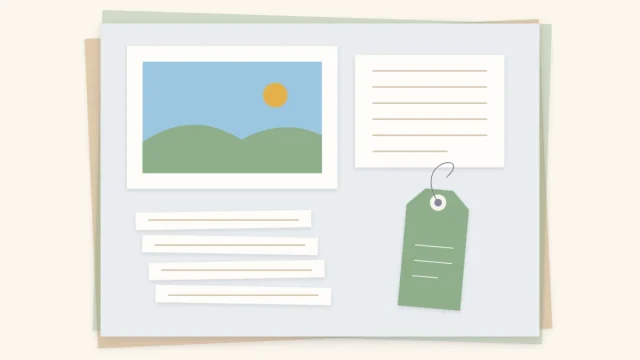
Plan the written part of a layout as carefully as the photos: choose a shape for the journaling area, place it where it reads easily and rule guidelines first.
Pockets and flaps add storage and privacy to a layout. See the four common pocket types, make a three-sided flat pocket and hinge a photo over hidden journaling.
A layered stack under a photo adds depth only when each paper shows. Learn the order of layers, how to offset them and how to keep the page thin.
Sort leftover cardstock by size, then turn strips, rectangles and small squares into patchwork, punched circles, banners and mats for your next layout.
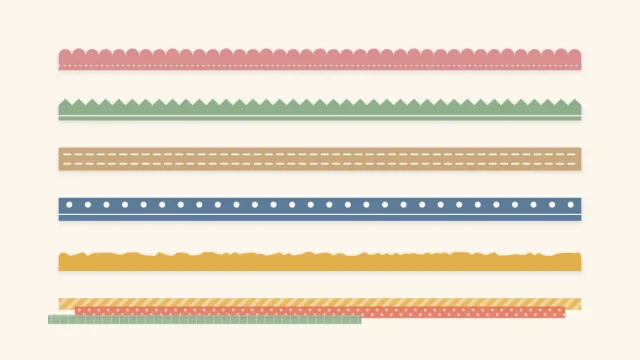
Six page borders made from a strip of cardstock or tape: scalloped, zigzag, stitched, punched, torn and washi. Includes how to space the repeats and where a border belongs.
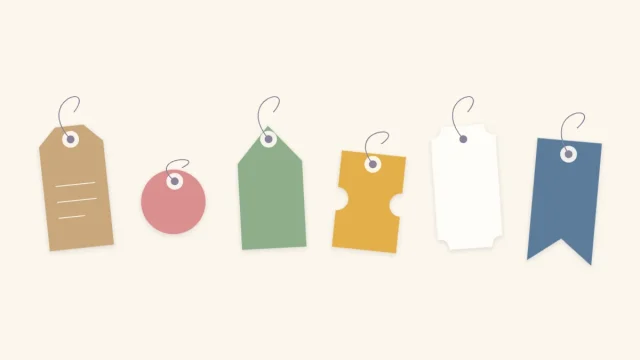
Tags add a layer, a writing spot and a sense of direction to a layout. Learn the common shapes, how to cut a classic tag by hand and where to place it.