Scrapbook Cardstock and Paper: Weights, Finishes, and What Acid-Free Means
Weight, finish, core and the acid-free label each describe something specific about a sheet of paper. This guide explains the terms and which paper belongs where on a page.
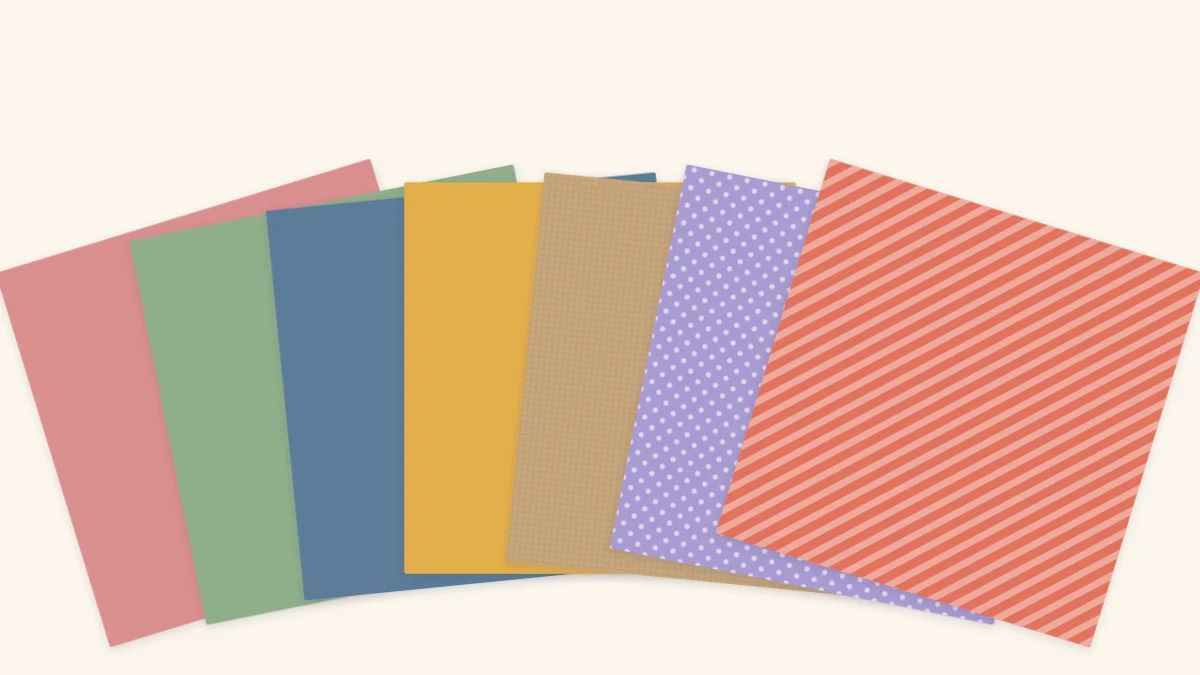
Scrapbook cardstock does the structural work on a page. It is the base everything is glued to, the mat behind each photo and the material for most hand-cut shapes, so its weight and surface affect how flat a layout lies and how cleanly it cuts. Patterned paper, vellum and other thin sheets add color and interest on top, but they rely on cardstock underneath to hold them up.
Paper packaging is full of terms that are rarely explained on the shelf. Weight, finish, core and the acid-free label each describe something specific, and knowing what they mean makes it much easier to buy sheets that behave the way you expect.
The types of paper used on a page
Most layouts combine two or three of the following.
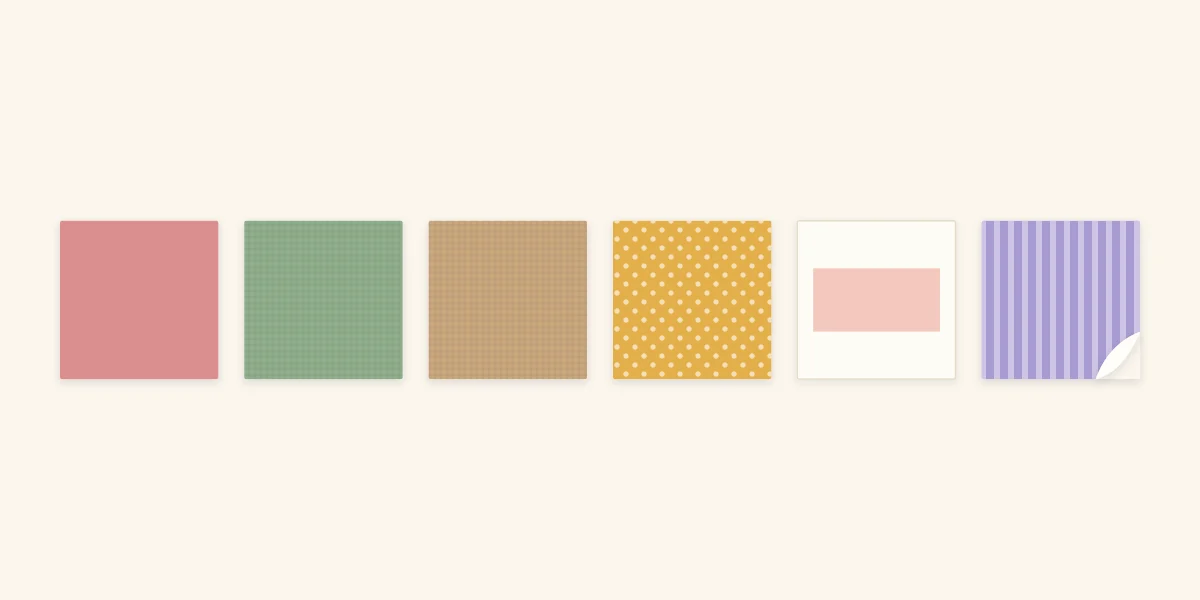
- Smooth cardstock. A flat, even surface that takes pen and stamped ink cleanly. The best choice for journaling blocks, titles and crisp mats.
- Textured cardstock. Has a fine woven or linen-like surface that adds interest to large plain areas and hides small glue marks. Fine pen lines can skip on the texture, so test before writing on it.
- Kraft cardstock. Unbleached brown paper stock. It is a neutral that sits comfortably beside almost any color, which makes it a dependable page base and a good choice for tags.
- Patterned paper. Printed with dots, stripes, florals and other designs, usually on thinner stock than cardstock. Used in strips, blocks and mats rather than as the surface that carries the whole page.
- Vellum. A translucent sheet that softens whatever sits beneath it. Useful as an overlay or for a journaling block that lets the background show through. Adhesive is visible through it, so attach it where another piece will cover the glue.
- Thin paper. Text-weight sheets curl easily and wrinkle with wet glue. They work as small accents but need a cardstock backing to stay flat.
Paper weight and stiffness
Weight is the figure printed on the package in pounds (lb) or grams per square meter (gsm). Within either system a higher number means a heavier, stiffer sheet. The two systems are not directly interchangeable at a glance, so compare lb with lb and gsm with gsm rather than converting in your head.
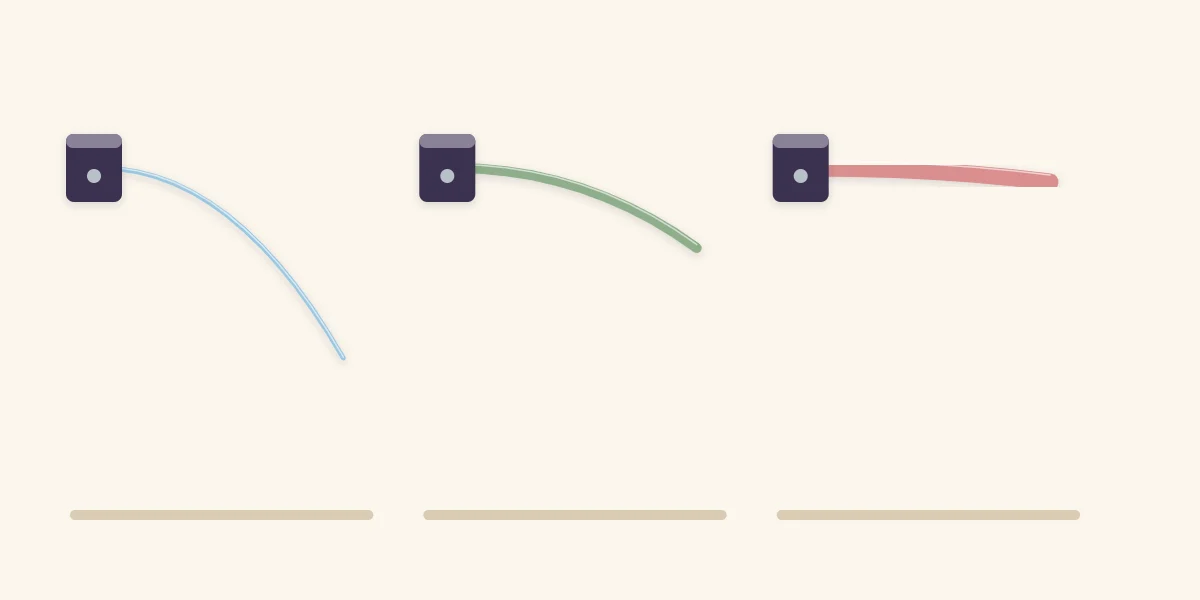
Weight matters because a page base has to carry photos, mats and embellishments without sagging inside its page protector. A simple check needs no numbers: hold a sheet by one short edge and let it hang out level. A thin sheet droops in a deep curve, a medium sheet bends a little, and heavy cardstock stays close to flat.
| Weight | How it behaves | Use it for | Avoid it for |
|---|---|---|---|
| Thin (text weight) | Droops, curls, wrinkles with wet glue | Small accents, layers backed with cardstock | Page bases, photo mats |
| Medium (most patterned paper, light cardstock) | Bends slightly, cuts and folds easily | Strips, blocks, mats, folded pieces | Bases that carry heavy embellishments |
| Heavy cardstock | Stays nearly flat, resists warping | Page bases, mats, tags, die-cut and punched shapes | Tight folds without scoring first |
Heavy cardstock cracks along a fold unless you score it first. Run a blunt point along a ruler to press a crease line, then fold along it.
Finishes and cores
Finish describes the surface. Matte is the standard and the easiest to write on and glue. Glossy, pearl and metallic finishes reflect light and add contrast in small amounts, but tape runners can lose their grip on slick surfaces and pen ink may sit on top and smear. Test adhesive and pen on an offcut first.
Core describes the inside of the sheet. Solid-core cardstock is the same color all the way through, so a cut or torn edge matches the face. White-core cardstock has color on the surface and white inside; tearing or sanding it exposes a pale edge. Neither is better. White core gives a deliberate worn look, described in the guide to paper distressing and inking, while solid core keeps edges clean when you want layers to look crisp.
What acid-free means
Acid in paper causes it to yellow and turn brittle over time, and it can migrate into whatever the paper touches. Acid-free on a package indicates the paper was made with a neutral or slightly alkaline pH. Some papers are also described as buffered, meaning an alkaline substance was added to counter acids the sheet may absorb later.
Lignin-free refers to the removal of lignin, a natural compound in wood pulp that darkens as it ages. Photo-safe is a manufacturer’s statement that a product is not expected to react with photographs.
Look for these labels on any paper that will sit directly against a photo, especially mats. Treat them as indications rather than guarantees: storage conditions matter too, and no label replaces keeping original prints or digital backups of irreplaceable photos.
Watch out
Newspaper clippings, ticket stubs and other found paper are usually not acid-free. Keep them from touching photos by mounting them on their own cardstock mat or placing them in a separate pocket.
Choosing colors that work together
A small, deliberate range is more useful than one sheet of everything. Start with neutrals, because they appear on nearly every page: white, cream, kraft and a dark shade such as navy or charcoal. Add four to six colors drawn from the photos you plan to use.
When adding patterned paper, pick sheets that repeat at least one of your solid colors, and mix scales: one small pattern, one larger one and plenty of solid between them. The guide to scrapbook color palettes explains how to build a palette from a photo.
How the papers stack on a page
A reliable order is heaviest at the bottom and lightest on top: a cardstock base, patterned paper blocks or strips, a cardstock mat, then the photo. Putting thin paper underneath heavy pieces is what makes a page ripple. More on building depth this way is in the guide to layering paper.
Storing paper so it stays flat
Keep sheets away from direct sunlight, which fades color unevenly, and away from damp, which makes paper wave. Store them flat or upright with support on both sides so they cannot slump. Offcuts are worth keeping in a folder by color; small pieces become mats, tags and strips, as shown in these ideas for leftover cardstock.
Frequently asked questions
What is the difference between cardstock and patterned paper?
Cardstock is heavier and stiffer, so it is used for page bases and photo mats. Patterned paper is usually printed on thinner stock and is used in strips and blocks on top of a cardstock base rather than as the sheet that carries the whole page.
What does acid-free mean on scrapbook paper?
It indicates that the paper was made with a neutral or slightly alkaline pH instead of containing acids that yellow and weaken paper over time. Look for the label on paper that touches photos, and keep backups of irreplaceable prints, since a label is not a guarantee.
How can paper weight be judged without reading the package?
Hold the sheet by one short edge and let it extend level. Thin paper droops in a deep curve, medium paper bends slightly and heavy cardstock stays almost flat. A sheet that stays flat is suitable for a page base.